
The History of the Pilates Reformer (And Why the Bed Springs Story Isn't Quite Right)
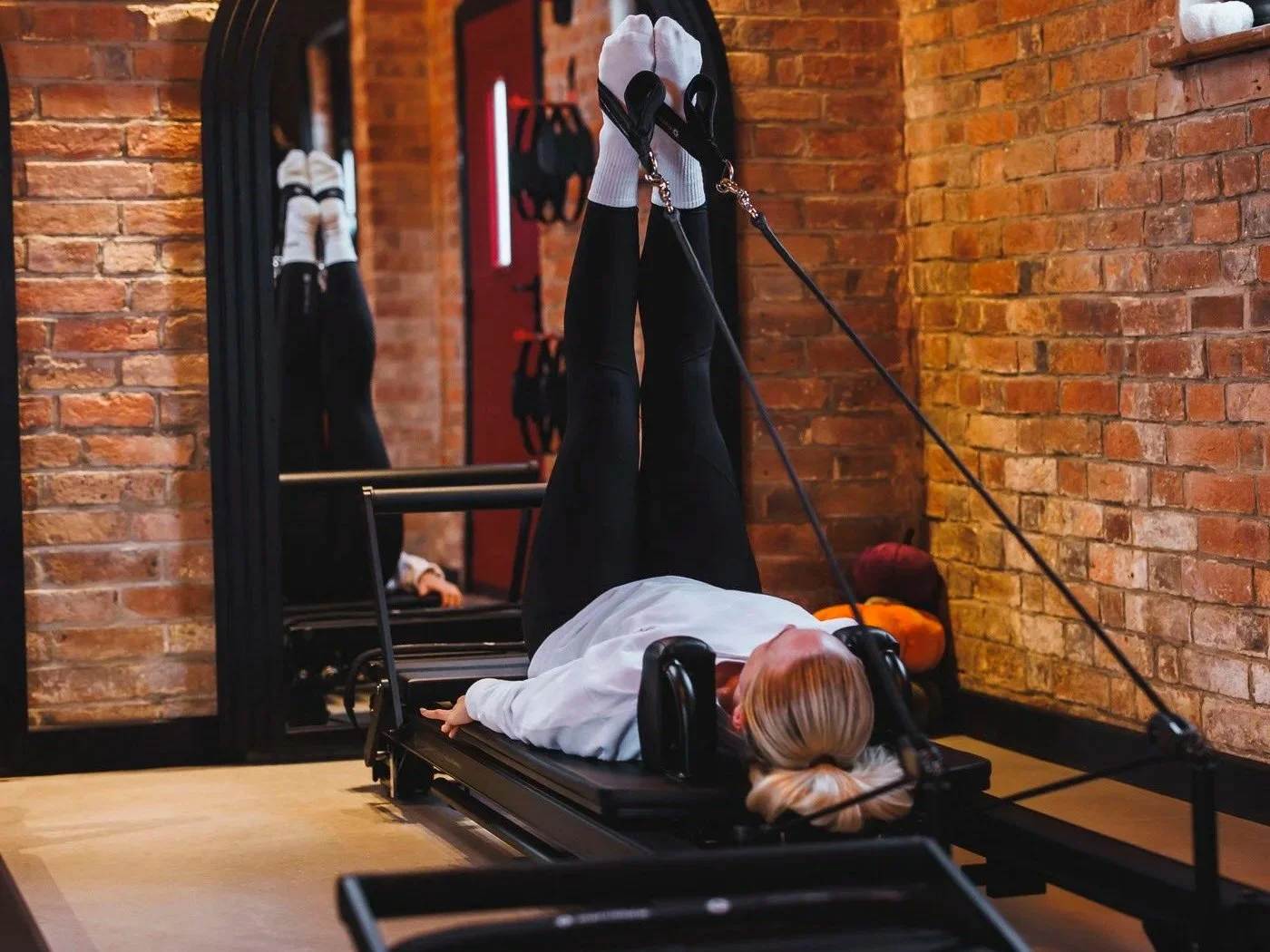
The reformer is the piece of apparatus most people picture when they think of Pilates. Sliding carriage, wall of springs, straps. It's also the apparatus with the most repeated origin story, and the real one is more interesting than the myth.
The Story Everyone Tells
The popular version goes that Joseph Pilates invented the reformer during his internment on the Isle of Man in the First World War, rigging up bed springs to help immobilised patients keep moving. It's a compelling story, and it's the one you'll find repeated across most Pilates websites.
It's also, according to historians who've studied the Knockaloe camp in detail, not fully confirmed. Conditions in the camp were spartan, and most beds were basic wooden frames rather than the metal spring beds the story requires. There's no documented proof Joseph even worked in the camp hospital, something the Knockaloe Charitable Trust has noted directly. What we do know for certain is that his years there gave him an unusually long, uninterrupted stretch of time to develop and refine his method on a large number of bodies.
What's Actually Documented
The confirmed history starts after the war. Joseph briefly returned to Germany, then emigrated to New York in 1926 at the age of 43, where he opened a studio with his wife Clara. It's there that he filed the patent for what he named the Universal Reformer.
Over his lifetime, Joseph patented 26 pieces of apparatus in total, an inventor as much as a fitness teacher. His early design concepts, sometimes referred to as the Bednasium, used hospital bed frames as a starting point for training apparatus, which is likely where the bed springs story originates even if the internment camp specifics don't hold up.
How the Reformer Actually Works
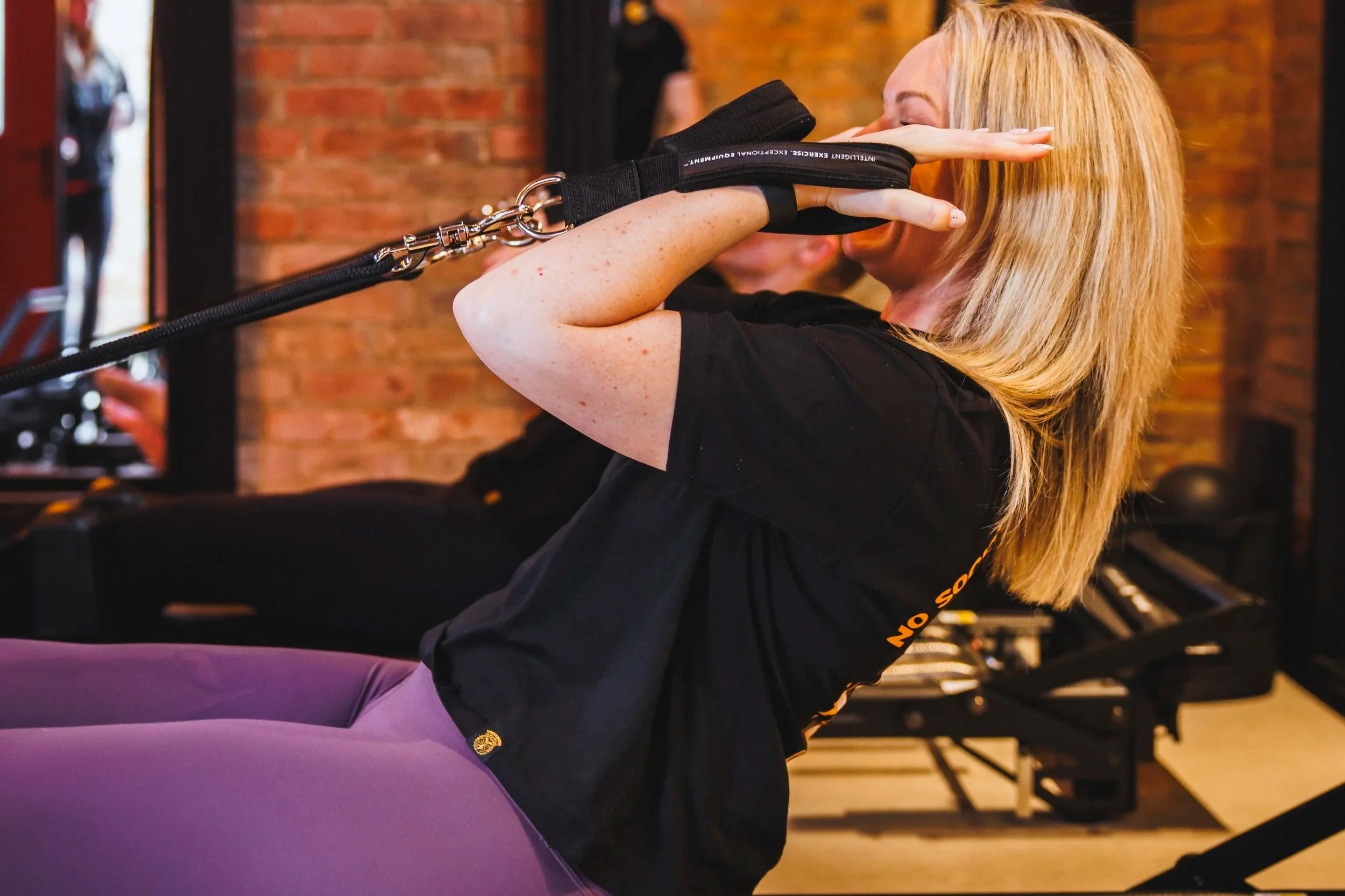
The genius of the reformer isn't the bed shaped frame, it's the springs. They provide resistance in one direction and support in the other, which is why the exact same piece of apparatus can rehabilitate an injured knee and build serious full body strength within the same session, often for two completely different people back to back.
That adjustability is also why reformer Pilates has become the dominant form of the method worldwide. It scales to almost any body and any goal without changing the apparatus itself, just the spring load and the exercise selection.