
The History of the Pilates Wunda Chair
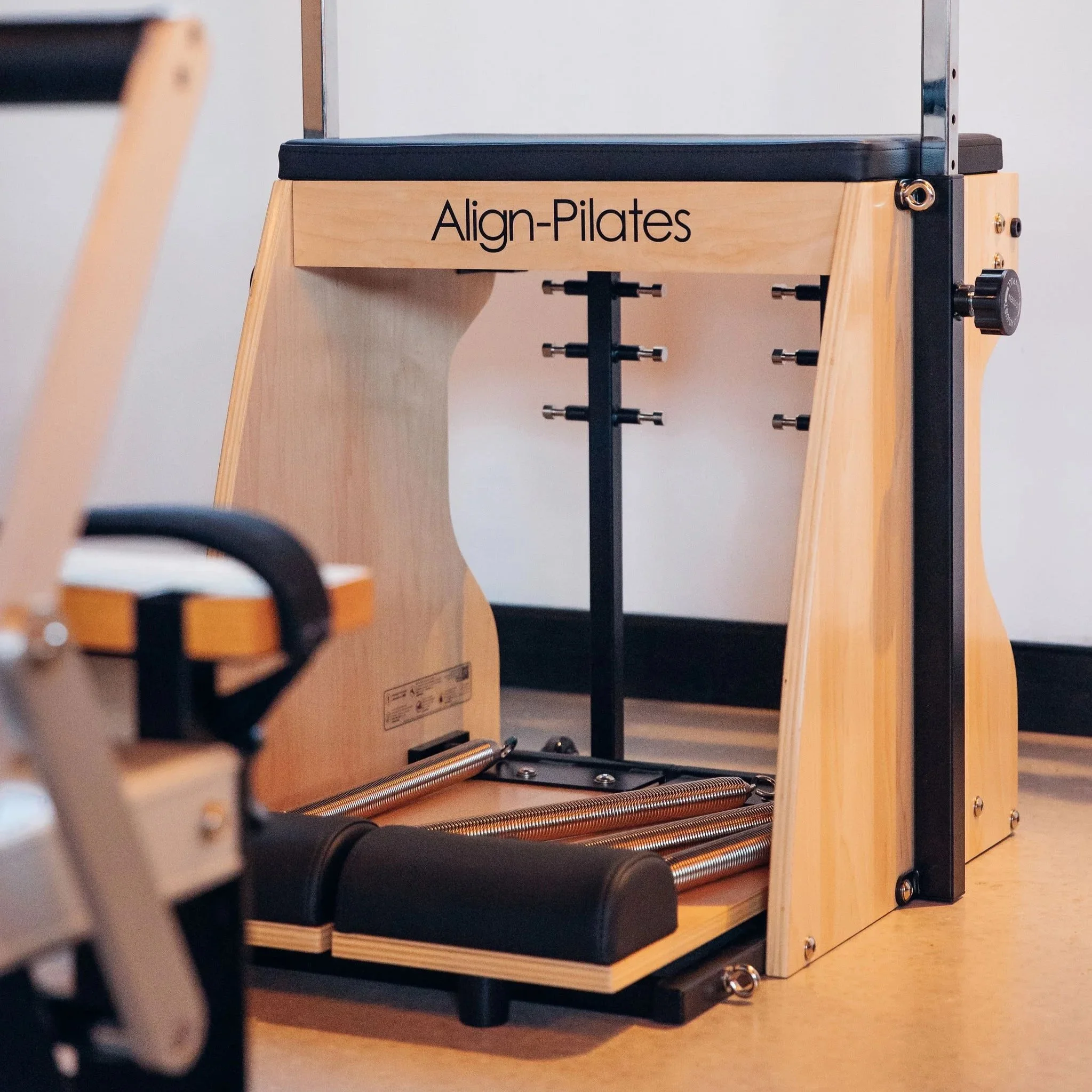
The Wunda chair is the smallest piece of apparatus in a Pilates studio and, for most people trying it for the first time, the most humbling. Here's where it actually came from.
A Patent for a Piece of Furniture
Joseph Pilates filed his patent for the chair in 1931, and it was granted in 1934. The patent's own wording tells you exactly what he was trying to build: a chair designed to "better support the body, promote better posture and insure a more thorough rest and relaxation to the sitter," while also converting into a functional exercise device.
That dual purpose was deliberate. Joseph originally designed the chair with his wealthier New York clients in mind, people who wanted to keep training at a summer house without needing a full studio setup. A piece of apparatus that doubled as an ordinary chair solved that problem neatly, which is also where the name Wunda is thought to come from, a piece of apparatus people considered wonderful enough to want in their own home.
A Possible Circus Connection
There's an interesting detail in Hubertus Joseph Pilates: The Biography by Pont and Romero about where the underlying idea for the chair may have originated. Joseph reportedly spent time with a group of Chinese acrobats while working with a circus in Britain before the First World War, and picked up elements of their training approach, which used a simple chair as a piece of equipment. He's said to have later adapted that concept with springs once he'd settled in New York and turned it into what became the Wunda chair.
Whether that's the complete story or a partial one, it fits a consistent pattern across Joseph's career: he built his method by borrowing, adapting and improving relentlessly, rather than inventing everything from a blank page.
Why It's So Effective
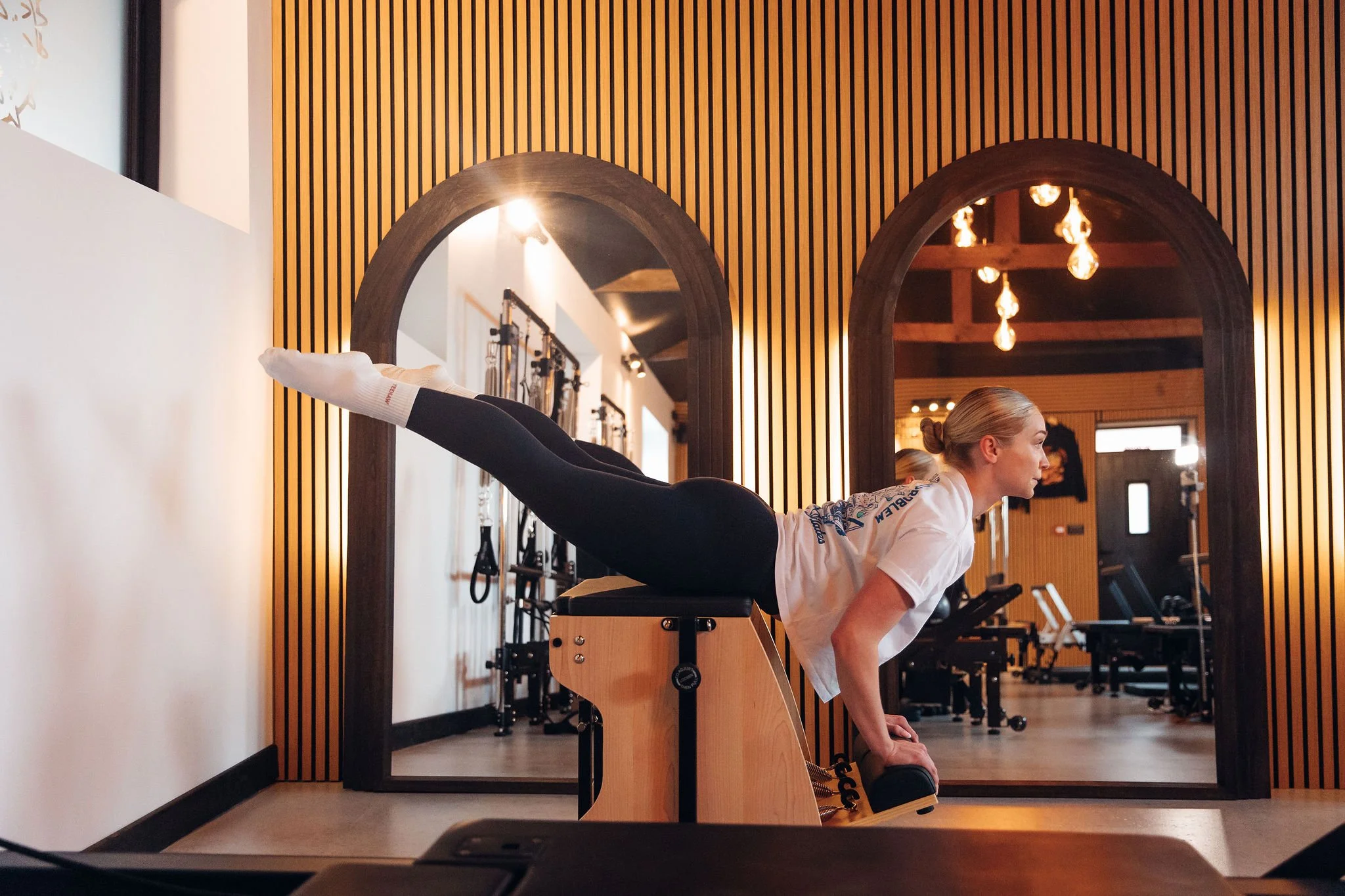
What the chair demands, more than almost any other piece of apparatus, is stability. There's very little to hold onto and a small surface to work from, which exposes any wobble in your control almost instantly. That's exactly why it's so effective for building single leg strength, balance, and the kind of deep core control that quietly transfers into everything else, running, sport, daily movement, all of it.
Small piece of apparatus, entirely disproportionate impact.