
The History of the Pilates Barrels (The Apparatus With No Springs at All)
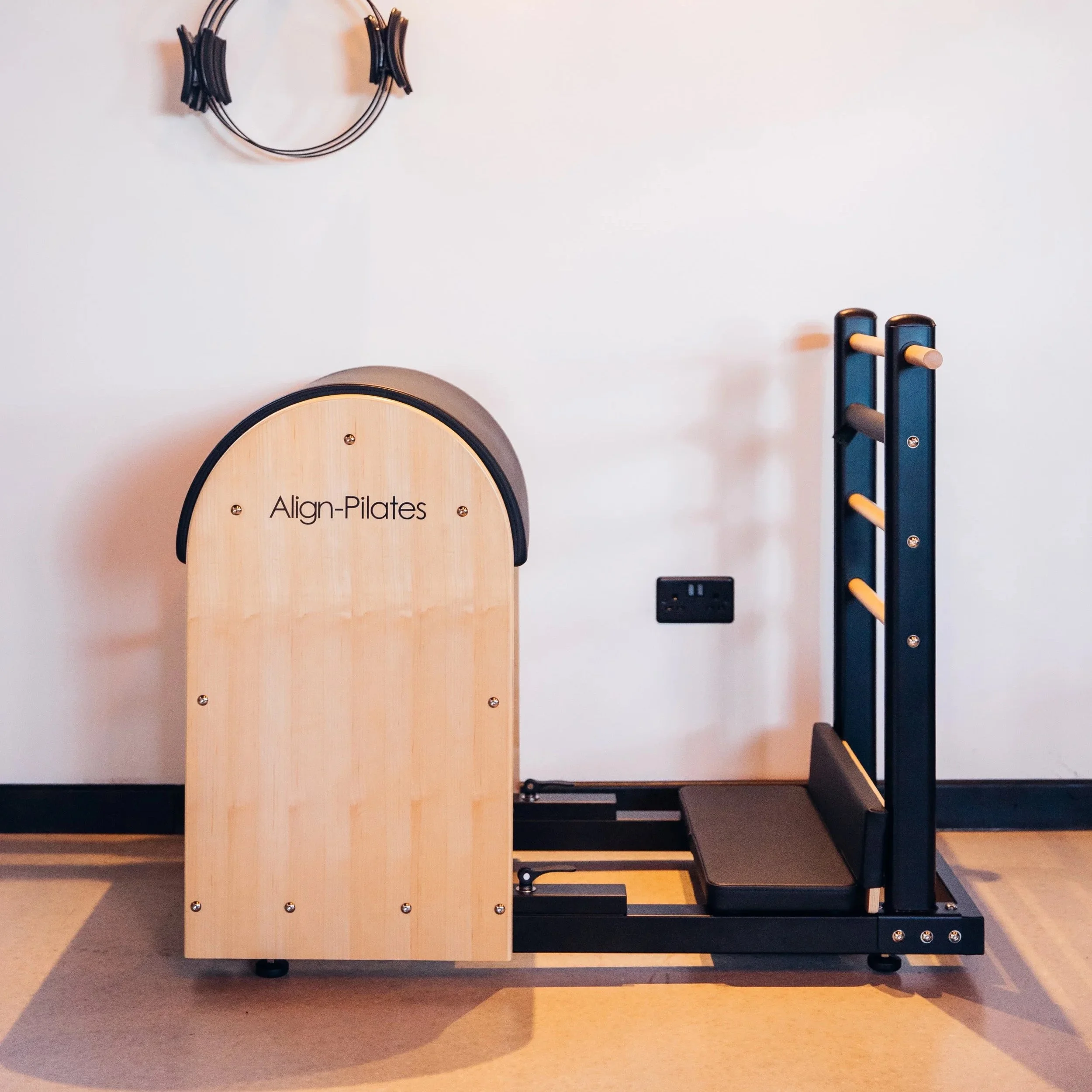
Of all the classical Pilates apparatus, the barrels, the spine corrector and the ladder barrel, get the least attention. They also might be the most quietly essential.
Built Around a Single Idea
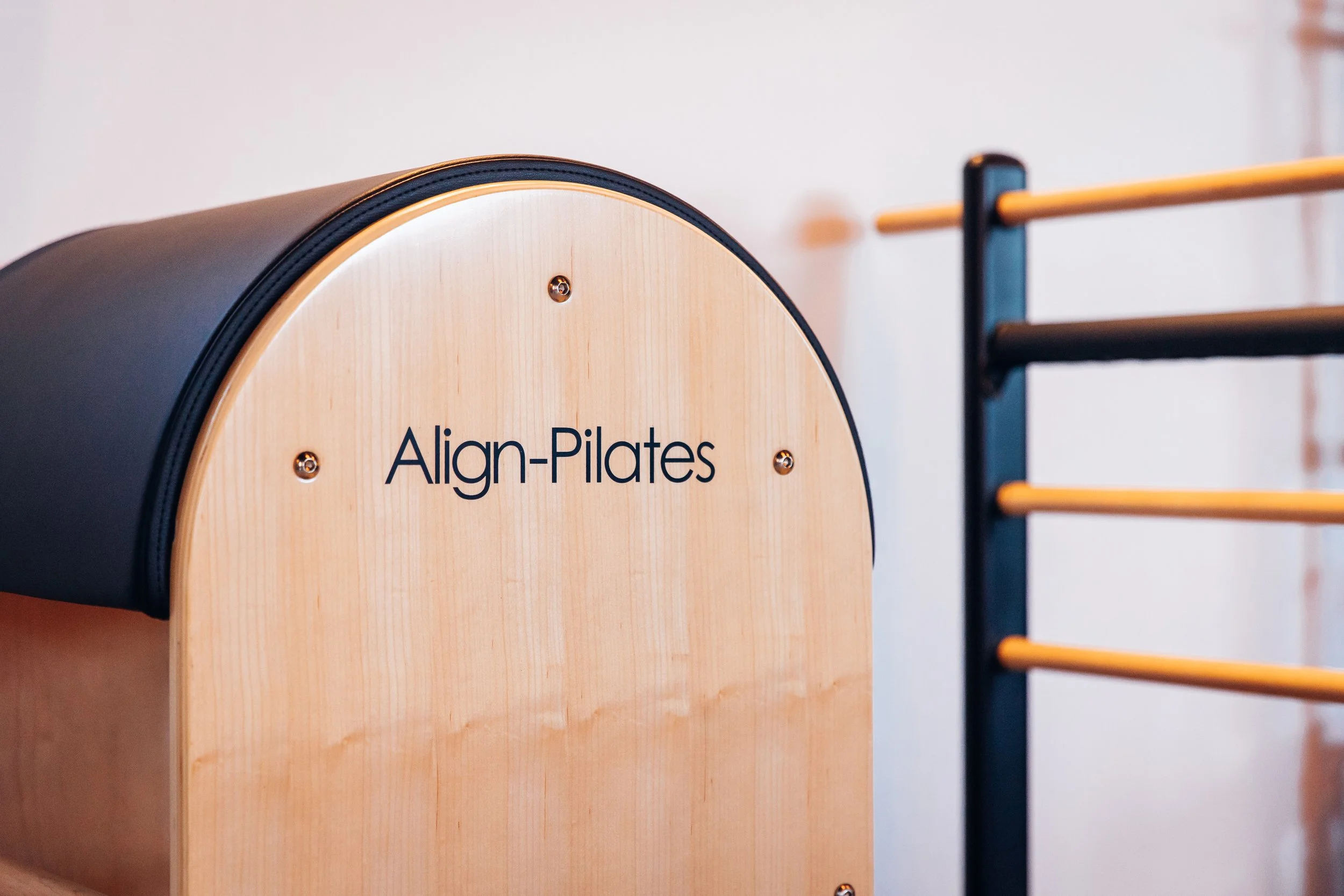
Unlike the reformer, chair, or Cadillac, the barrels involve no springs whatsoever. They're simply a curved surface, designed to support the spine into a position it rarely reaches in ordinary daily life, properly extended, rather than hunched forward the way most desks, phones, and steering wheels encourage.
Joseph Pilates was fixated on the idea of spinal articulation, the principle that a genuinely healthy spine should move through every individual segment, not just bend at the hips the way most exercise and most daily movement trains it to. The barrels exist purely to train that, and were part of his original classical apparatus alongside the reformer, chair, and Cadillac.
Spine Corrector vs Ladder Barrel
The spine corrector is the smaller of the two pieces, sized to help restore the spine's natural curve, something that tends to flatten out the more time is spent sitting. The ladder barrel takes the same curved shape and scales it up considerably, giving a much larger range of motion to work with, including back extension work that's genuinely difficult to replicate on any other apparatus in the studio.
Both are also used for stretching and flexibility work beyond pure spinal training, particularly through the hips and hamstrings, making them useful for clients recovering from injury as well as advanced practitioners looking to deepen mobility work.
Why They Deserve More Attention
If a Pilates studio is covered in springs and straps in your imagination, the barrels are proof that some of Joseph Pilates' most effective apparatus are also his simplest. No resistance mechanism, no adjustment dials, just a shape and gravity, and they still deliver results that the more complex apparatus struggle to match for pure spinal health.